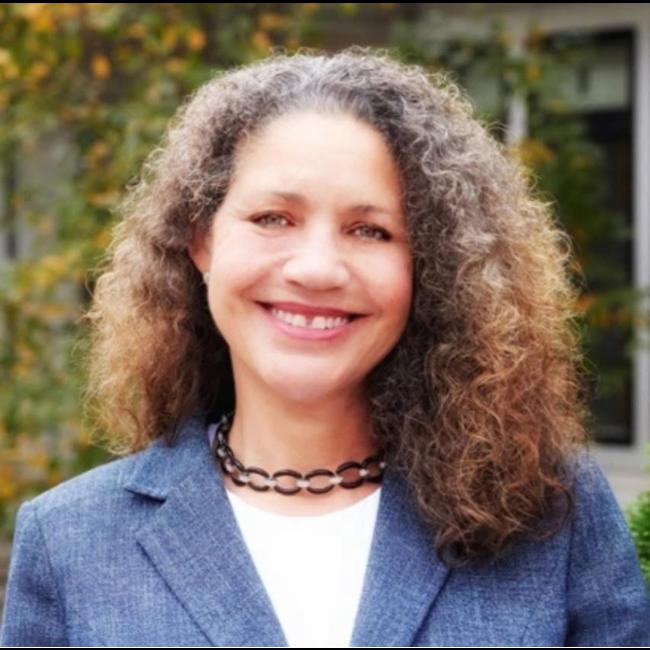
Darnisha Adams
- Assistant Professor of Special Education
Credentials
- M.A., Educational Leadership and Administration, General
Concordia University - B.A., Communication, Journalism, and Related Programs, Other
Metropolitan State University - Default, Education/Teaching of Individuals with Specific Learning Disabilities
University of Minnesota
Recent and upcoming courses
Fall 2026
- SPED 601: Applying Behavioral and Learning Principles in Urban Settings
- SPED 600: Foundations of Teaching Urban Learners with Exceptionalities
- SPED 300: Foundations of Special Education in Urban Settings
- SPED 301: Behavioral and Learning Principles in Urban Special Education Settings
Spring 2027
Biography
Darnisha Adams is an assistant professor of urban education and special education program coordinator at Metropolitan State University. She brings nearly 30 years of experience in education, including K–12 special education, teacher preparation, instructional support, and educational leadership.
Before joining Metro State, Adams taught special education in Minneapolis and Bloomington Public Schools. Her work focused on supporting students with disabilities, expanding access to rigorous instruction, and helping educators meet the needs of diverse learners. She also served on school leadership teams and mentored educators.
Adams has a strong interest in educational equity and the recruitment and retention of teachers of color. She worked with school administrators on initiatives supporting staff diversity and retention. She also served on equity advisory committees, including the Ethnic and Multicultural Advisory Committee and the District Equity and Diversity Advisory Committee.
Her leadership experience extends beyond public schools. Adams founded and directed a two-site early childhood education organization, overseeing staff, curriculum, operations, and accreditation. This experience continues to inform her approach to leadership, collaboration, and organizational improvement.
At Metro State, Adams teaches undergraduate and graduate special education courses and supports students pursuing careers in education. Her research interests include equitable access to advanced coursework, educational opportunities for students of color, and the relationship between K–12 experiences and postsecondary success.
Adams earned a master's degree in educational leadership from Concordia University, Saint Paul, and a bachelor's degree in professional communication from Metro State University. She is currently pursuing a doctorate in educational and organizational leadership at Concordia University, Saint Paul.
Current Doctoral Research: Equitable Access to Rigorous K–12 Coursework and Postsecondary Student Success
Adams's developing doctoral research examines disparities in access to rigorous K–12 coursework and their relationship to college readiness and postsecondary outcomes for students of color. Her interests include participation in advanced placement, honors, gifted education, and dual enrollment programs, with particular attention to how educational opportunities and systemic barriers influence students' preparation for and success in higher education.
Additional Research Interests
- Educational equity and opportunity: Examining systemic barriers that influence access to advanced academic pathways for historically underserved students.
- College readiness and postsecondary outcomes: Exploring relationships between K–12 academic opportunities and student success in higher education.
- Teacher diversity and retention: Investigating recruitment, mentorship, organizational culture, and the professional experiences of teachers of color.
- Educational leadership: Examining leadership practices that promote organizational equity, inclusion, accountability, and institutional improvement.
- Urban special education: Exploring disability rights, culturally responsive instruction, inclusive practices, and equitable access to educational opportunities for students with disabilities.
Previous Graduate Research
Leading for Equity: Recruiting and Retaining Teachers of Color to Reflect the Students We Serve
Concordia University, St. Paul
This research examined how educational leaders can implement equitable and inclusive strategies to recruit, retain, and support teachers of color. It explored the relationship between teacher diversity, school culture, educator retention, and student outcomes, with attention to mentorship, organizational barriers, and leadership practices that support equitable educational environments.